Start with training, then finish a full match
Your first useful goal in Be a Soccer Legend is not to chase a perfect score. It is to learn the draw-to-play controls in Training, complete a match, and read the result screen so you know what to practise next. The game uses lines drawn from the ball: the endpoint determines where a pass or shot travels. That makes your first session a sequence of observation, drawing, checking the result, and adjusting.
Open the initial interface and locate Menu, Training, and the match entry. If a group-joining prompt appears, you can inspect it as part of onboarding, but do not treat it as a substitute for learning the controls. Begin with Passing and Shooting in Training, then enter a normal match. During the match, work with teammates rather than trying to take every touch yourself. Finish the match before judging your progress, because the post-match panel is where Goals, Chances, Coins, Fans, star feedback, and possible Man of the Match recognition are shown.
The long-term aim is a soccer career: improving OVR, competing in leagues and cups, receiving transfer opportunities, and potentially reaching national-team and World Cup content. Those broader career conditions can change with the game and are best checked in the current progression guide. For a first session, the reliable target is simpler: complete the training-to-match route and leave with one clear control you can repeat.
How a match moves from setup to result
The supported structure is a session-based match followed by a result screen, with repeatable preparation between sessions. You start from the interface, practise or enter a match, then respond to a chain of ball situations. A teammate may be available for a normal pass, a runner may open space for a Through Ball, or a wide position may create a Cross. When an attack gives you a clear angle, you draw toward goal to shoot. The immediate feedback is the ball's path, a completed pass, a created chance, a goal, a save, or a lost opportunity.
This is not a menu where one fixed button always produces the same outcome. The same drawing habit can be useful or wasteful depending on teammate movement, defensive pressure, and the goalkeeper's position. First identify the intended receiver or target, then draw a line that ends in that space. After the action, watch what changed: possession may move to a teammate, a runner may continue into space, or the goalkeeper may stop the attempt.
Some match situations are limited-chance or challenge-style rounds. Treat those as focused tests of the same attacking and defensive judgement rather than assuming they follow every rule of a normal match. In a standard session, continue until full time and then use the result panel to decide whether your next preparation should emphasise Passing, Finishing, or more careful positioning.
The practical progression is therefore:
- Learn a basic line in Training.
- Enter a match and observe the available players.
- Keep possession with a sensible pass.
- Create space with a forward pass, Through Ball, or Cross.
- Shoot only when the angle is usable.
- Complete the session and read the result.
- Return to the training area with one specific mistake to correct.
That structure lets a beginner improve from feedback instead of restarting after every miss.
The actions and results you need first
The following systems are enough to play an opening match effectively. Each one answers a different beginner problem.
| System | What it does | When to use it |
|---|---|---|
| Training | Provides practice for actions such as Finishing, Passing, and Set Pieces. | Use it before a match or after identifying a repeated error. |
| Passing | Moves the ball to a teammate and helps preserve possession. | Draw toward an open teammate when a direct shot is not available. |
| Through Ball | Sends the ball into the space ahead of a moving teammate. | Use it when a runner is advancing and the line can lead the run. |
| Cross | Delivers the ball from a wide attacking position toward a teammate or the area. | Use it when the attack has a useful wide angle and a target is moving inside. |
| Shooting | Turns an attacking chance into an attempt on goal. | Draw toward an open part of the goal after checking the goalkeeper. |
| Matches | Supplies the main play session, teamwork decisions, and a final result. | Enter after learning the basic draw direction and stay through the result. |
| Player Rating | Summarises performance through goals, chances, stars, and possible Man of the Match feedback. | Read it after full time to choose your next training focus. |
| Fans and Coins | Show match-related progression and a visible post-match reward resource. | Check them after the match; do not assume every spending use from the result alone. |
The most important relationship is between positioning and the three attacking deliveries. A normal Pass is safer when a teammate is already available. A Through Ball is about the space in front of a runner, not the player's current location. A Cross works from a wide attacking angle and still needs a teammate or useful area to receive it. Shooting is the final choice, not the default choice: a blocked angle is often a reason to pass again.
Player Rating is also broader than goals alone. A match can show chances and star feedback alongside goals, so use the whole panel when deciding what went wrong. If you created openings but missed the finish, return to Finishing. If your passes repeatedly went to the wrong place, return to Passing and practise shorter, more deliberate lines.
Your first training-to-match run
Follow this sequence once before worrying about advanced career targets. Each step includes the checkpoint that tells you whether to continue or adjust.
- Open the starting interface. Find Menu, Training, and the match entry. If the game shows a group option or another onboarding prompt, note it and continue to the playable areas. The checkpoint is that you can identify where practice and matches begin; move to Training rather than searching for a perfect setup.
- Practise a basic pass. Enter Training and choose Passing if it is available. Draw from the ball toward the intended teammate or target area. A successful delivery reaching the target is the feedback you need. If the line consistently finishes behind or away from the receiver, try a shorter endpoint before entering a match.
Practise shooting and basic actions in Training
This moment shows the Training area used to practise shooting and other basic actions before entering matches.
- Practise a finish. Choose Finishing or the shooting practice available in Training. Draw toward a part of the goal rather than dragging randomly across the screen. A shot, save, or miss is useful feedback about direction. Continue once you understand that the line endpoint controls the ball's destination; do not wait for a perfect conversion.
- Enter a match and read the first situation. Start a match after the two basic practices. Look at teammate positions before drawing. The checkpoint is a clear decision: an open teammate means Pass, a forward runner means Through Ball, and a wide route may mean Cross. If no safe forward option exists, choose the available teammate instead of forcing a shot.
- Make one controlled team action. Draw the line to the selected receiver or into the runner's path. Watch whether the ball reaches the teammate, advances the attack, or is intercepted. After the action, reposition your attention to the new ball location rather than drawing from the old one. This transition is important because every next line must respond to the current situation.
- Create the chance. When a teammate is moving forward, use a Through Ball into the space ahead of the run. When the attack develops from a wide position, use a Cross toward the expected teammate path or useful attacking area. The checkpoint is that the delivery creates a playable chance or moves the team closer to goal. If the receiver is marked, retain possession with a simpler pass instead.
- Choose the shot only after checking the angle. When the ball reaches a shooting position, look at the goalkeeper and any obvious blockage. Draw toward the open side of the goal. A goal confirms that the line and timing worked; a save or miss tells you to change the angle or return to passing on the next attack. Avoid repeating the same blocked line immediately.
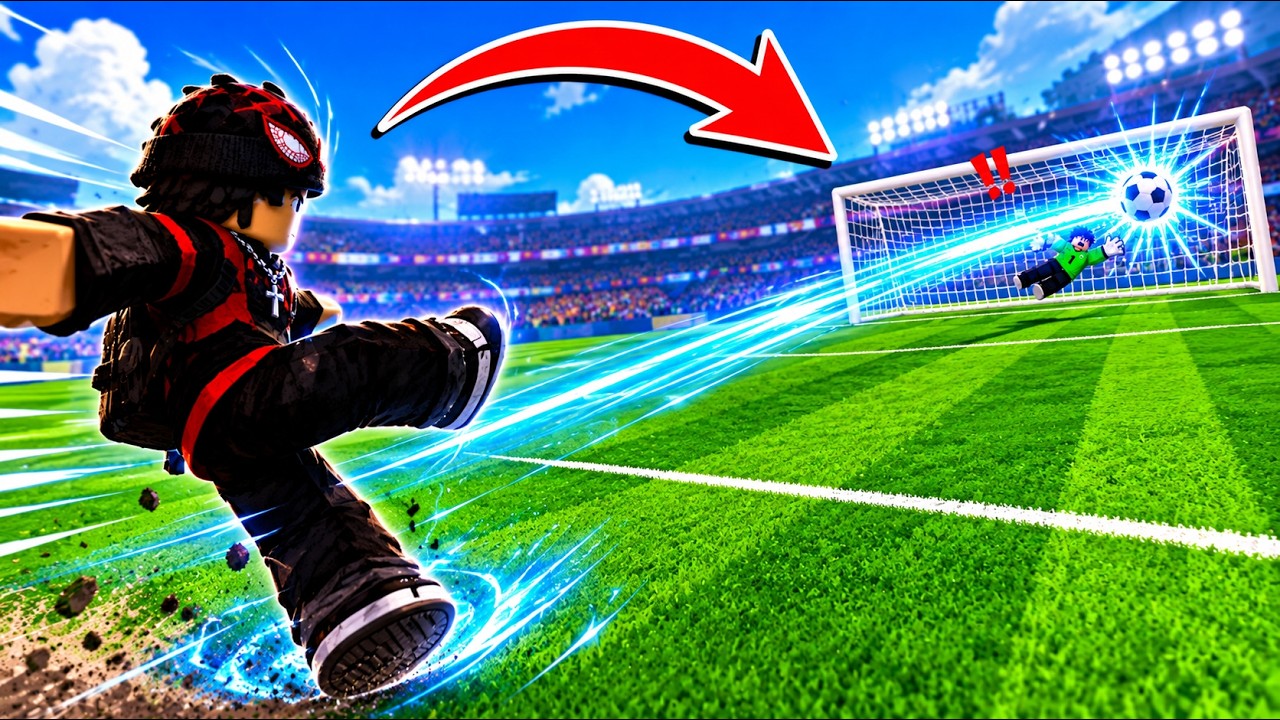
Build an attack with passing, Through Ball, and shooting
This match sequence supports the guidance on combining shooting, passing, a Through Ball, and a finishing move.
- Finish the match and verify the result. Continue responding to the remaining situations until full time or the match's completion state. Then read Goals, Chances, Coins, Fans, star feedback, and any Man of the Match result. This is the completion checkpoint: the session has produced both a football result and information about your performance.
- Choose one next adjustment. If passing failed, practise Passing. If chances appeared but goals did not, practise Finishing and goalkeeper-aware shot placement. If you stopped moving or selected a receiver too late, enter the next match with positioning as the single focus. Repeat the training–match sequence rather than changing several habits at once.
Priorities after mistakes and match results
Use these priorities to keep early sessions focused:
- Learn line direction before chasing advanced moves. The game supports shots, passes, Crosses, and Through Balls through drawn routes, so control over the endpoint has more immediate value than trying every special attempt.
- Prefer the open teammate. Maintaining possession and creating a better angle usually gives you another decision; forcing a shot from a blocked position removes that opportunity.
- Watch movement before drawing. A Through Ball should lead the runner, while a Cross should meet an attacking route. The right action with a badly timed endpoint can still fail.
- Complete the match. Leaving early can affect participation rewards and Career Progression, so use the full result screen as your feedback checkpoint whenever possible.
- Let the result choose the next practice. Goals, Chances, stars, and Man of the Match feedback together give a more useful picture than goals alone.
When something goes wrong, make the recovery specific:
| Mistake | Recovery |
|---|---|
| The pass goes behind a runner. | Next time, draw farther ahead of the run for a Through Ball, or use a shorter normal pass if the teammate is already level with you. |
| The ball reaches a marked teammate. | Choose an open teammate or recycle possession instead of repeating the same target. |
| A Cross does not find anyone. | Wait for a visible attacking route and end the line toward that route or the useful area, not toward a defender. |
| A shot is saved from a closed angle. | Check the goalkeeper, pass again, and shoot from a clearer angle on the next opportunity. |
| A chance appears but becomes a miss. | Return to Finishing in Training and practise ending the line inside the open goal area. |
| The post-match numbers are disappointing. | Read Chances and the star feedback, identify one failed action, and train that action before the next full match. |
| You leave before the result screen. | Complete the next match through full time so you can receive the normal result feedback and review progression. |
Challenges can be useful after you understand ordinary match decisions because their limited opportunities make rushed choices more costly. They are not a replacement for the first training-to-match run. Similarly, Coins and Fans are useful signals of ongoing progress, but the available game information does not establish every Coins spending use or a complete formula for long-term levels. Check the current in-game panels for those mutable details.
First-time Be a Soccer Legend questions
Does joining the game group guarantee a specific reward?
The onboarding sequence can show a group-joining option, but the exact reward is not established here. Treat it as an optional onboarding prompt and use the current in-game message as the authority before joining for a particular item.
Are Challenges governed by exactly the same rules as normal matches?
Not necessarily. Challenges can limit the number of opportunities and test attacking or defensive decisions, so read the active challenge objective instead of assuming that a normal-match strategy applies unchanged.
Where should I check long-term career requirements?
Use the current Career interface for stage, club, league, cup, transfer, and national-team requirements. The broad career goals are clear, but specific unlock conditions and progression values can change or remain unstated.